A supplement label holds more useful information than most people realise. Spend a minute reading it before you buy and you can tell whether a product suits you, how long it will last, and whether you need professional advice first. Here's what to look for, in the order you'll usually find it.
1. Product name and form
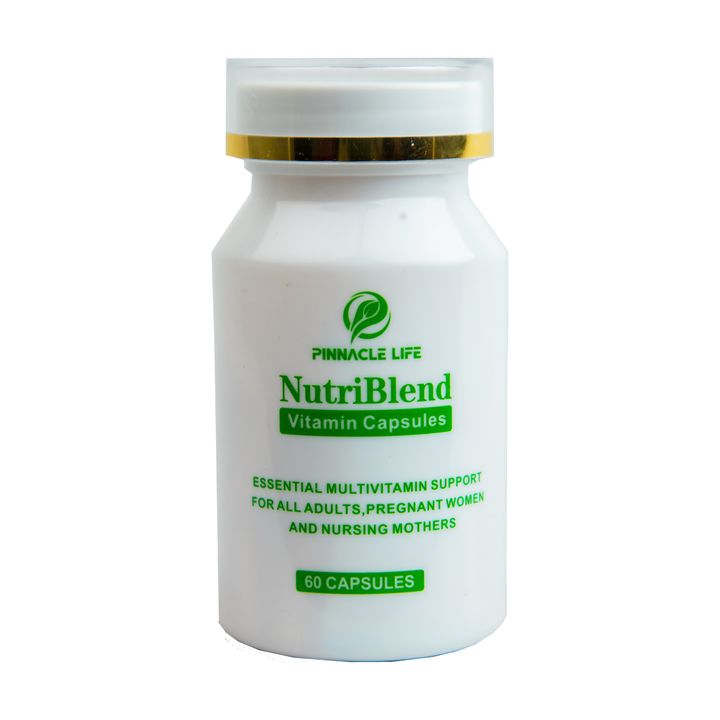
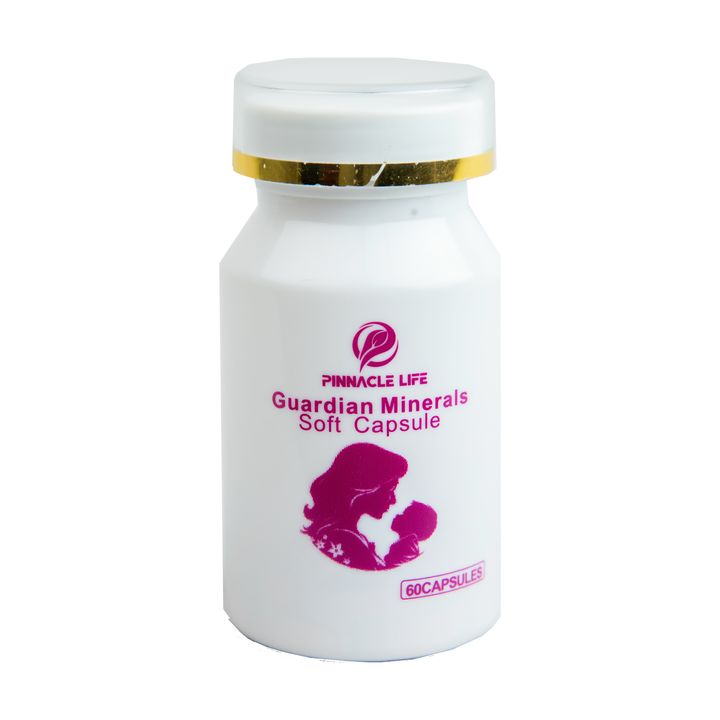
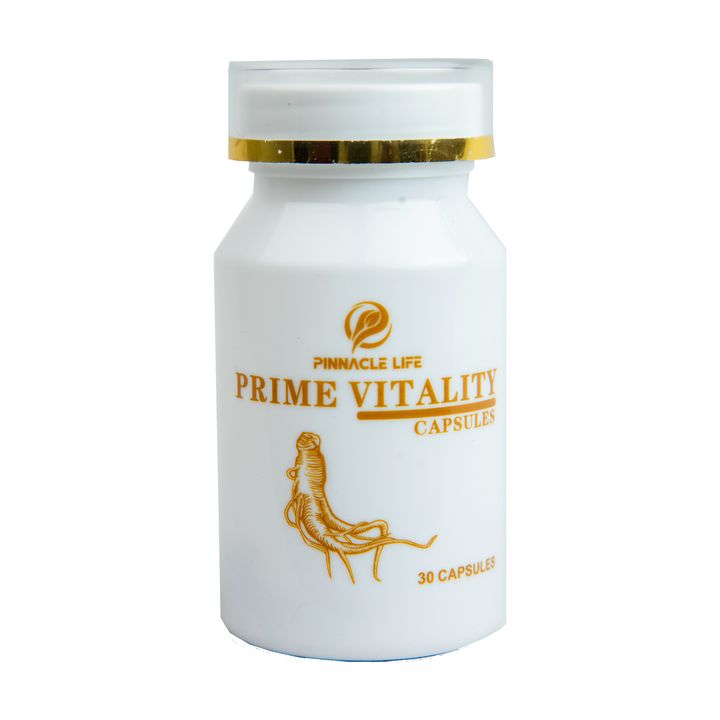
Start with the basics: the product name, the brand and the form it comes in (capsules, soft capsules, tablets, powder or liquid). Make sure it matches what you meant to buy. Many brands sell products with similar names. For example, we sell both Vitality Capsules and Prime Vitality Capsules, and they are different products.
2. Pack size and daily amount
The label states how many capsules or tablets are in the pack, and how many to take each day. Together they tell you how long a pack lasts. A 60-capsule bottle taken at two a day lasts a month; at one a day, two months. That makes it easy to compare value between products.
Never take more than the stated daily amount. Some nutrients, including vitamin A, iron and certain minerals, can be harmful in high doses.
3. Ingredients and amounts
A good label lists each active ingredient and the amount per serving. Look out for:
- Overlap with other products. If you already take a multivitamin, adding a second product with the same nutrients can push you over recommended levels.
- Allergens and other ingredients. Capsule shells, fillers and flavourings are listed too. Check them if you have allergies or dietary requirements.
- Herbal ingredients. Herbs such as ginseng can interact with some medicines, including blood thinners and diabetes medication.
4. Warnings and who should not use it
Read the warnings section carefully. It may advise against use during pregnancy or breastfeeding, by children, or alongside particular medicines. If you're in any of those groups, or you're managing a health condition, speak to a doctor or pharmacist before you start.
5. Manufacturer details
The label should name the manufacturer or distributor and give contact details. A product with no traceable company behind it is a warning sign.
6. Batch number and expiry date
Every pack should carry a batch (lot) number and an expiry or "best before" date. Check that the product will stay in date for as long as you need it, and keep the batch number in case you ever need to raise a query.
7. Registration details in Nigeria
In Nigeria, food supplements and many related products are regulated by the National Agency for Food and Drug Administration and Control (NAFDAC). Registered products carry a NAFDAC registration number on the pack. NAFDAC publishes a searchable database of registered products, the NAFDAC Greenbook, where you can check a product. If you can't find registration details, ask the seller.
8. Be cautious with big claims
Responsible supplement labels describe a product's role in your diet. They don't claim to cure disease. Be wary of any product, leaflet or seller promising to "cure", "treat" or "reverse" illnesses, or offering "guaranteed" or "miracle" results. Supplements support a healthy lifestyle; they don't replace medical care.
Tip: When you buy from Armlink Ventures, you can ask us for a clear photograph of a product's label panel before you order.
Quick checklist
- Right product name, brand and form
- Pack size and daily amount make sense for you
- Ingredients checked for overlaps, allergens and herbs
- Warnings read, and professional advice taken if needed
- Manufacturer named, batch number and expiry date present
- Registration details checked
This guide is general information, not medical advice.